Atom And Molecule
Atom And Molecule. The tiny particle of a chemical element, which may or may not exist independently is called an atom. On breaking down a molecule. Now that you understand the structural difference, let's see how an atom becomes a molecule. Therefore, it has the chemical formula (ch3)2o. As such, the atom is the fundamental building block for chemistry.

Nejchladnější Atoms Molecules Definition History Parts Of Atom Molecules With Videos Examples
It also is the smallest unit of matter that has the characteristic properties of a chemical element. As such, the atom is the fundamental building block for chemistry. On breaking down a molecule.Molecules can get complex, too.
If three oxygen atoms bond together, you get the molecule ozone (o3). Two or more atoms combine to form molecules.the. Some atoms are really close to having a full shell. On breaking down a molecule. Those atoms go around looking for other atoms who want to give up an electron. If you are an atom and you have a shell, you want your shell to be full. How does molecule shape change with different numbers of bonds and electron pairs? May or may not exist in free state.

Molecules and compounds consist of atoms but are not themselves atoms.examples of molecules and compounds include salt (nacl), water (h 2 o) and ….. We should start with the atoms that have atomic numbers. It also is the smallest unit of matter that has the characteristic properties of a chemical element. Some atoms have too many electrons (one or two extra). Find out by adding single, double or triple bonds and lone pairs to the central atom... 06.05.2019 · what are not atoms?.

The tiny particle of a chemical element, which may or may not exist independently is called an atom. Some atoms have too many electrons (one or two extra). Those atoms go around looking for other atoms who want to give up an electron. As such, the atom is the fundamental building block for chemistry. The protons and neutrons are contained. Therefore, it has the chemical formula (ch3)2o. As such, the atom is the basic building block of chemistry. For example, the molecule acetone is made of carbon, hydrogen, and oxygen. May or may not exist in free state. The tiny particle of a chemical element, which may or may not exist independently is called an atom. A molecule is defined as the smallest unit of a compound that contains the chemical properties of the compound... Molecules and compounds consist of atoms but are not themselves atoms.examples of molecules and compounds include salt (nacl), water (h 2 o) and …

On breaking down a molecule... The tiny particle of a chemical element, which may or may not exist independently is called an atom. A molecule is the smallest portion of a substance which showcases all the properties of the substance. Molecules can get complex, too.

Find out by adding single, double or triple bonds and lone pairs to the central atom. Some atoms are really close to having a full shell. These atoms like to give up their electrons.. The protons and neutrons are contained.

We should start with the atoms that have atomic numbers. Therefore, it has the chemical formula (ch3)2o. It also is the smallest unit of matter that has the characteristic properties of a chemical element.

Now that you understand the structural difference, let's see how an atom becomes a molecule.. . Let's take a look at some examples.

A molecule is defined as the smallest unit of a compound that contains the chemical properties of the compound.. Now that you understand the structural difference, let's see how an atom becomes a molecule. Explore molecule shapes by building molecules in 3d! A molecule can be defined as the combinations of two or more atoms which are held together by chemical bonds. If three oxygen atoms bond together, you get the molecule ozone (o3).. A molecule is defined as the smallest unit of a compound that contains the chemical properties of the compound.

Therefore, it has the chemical formula (ch3)2o. Atom, smallest unit into which matter can be divided without the release of electrically charged particles. Molecules are made up of groups of atoms. Explore molecule shapes by building molecules in 3d! A molecule can be defined as the combinations of two or more atoms which are held together by chemical bonds. May or may not exist in free state. A molecule is defined as the smallest unit of a compound that contains the chemical properties of the compound. Two or more, identical or different atoms, bonded … Molecules can get complex, too. Two or more atoms combine to form molecules.the. Now that you understand the structural difference, let's see how an atom becomes a molecule.

As such, the atom is the fundamental building block for chemistry.. The protons and neutrons are contained.
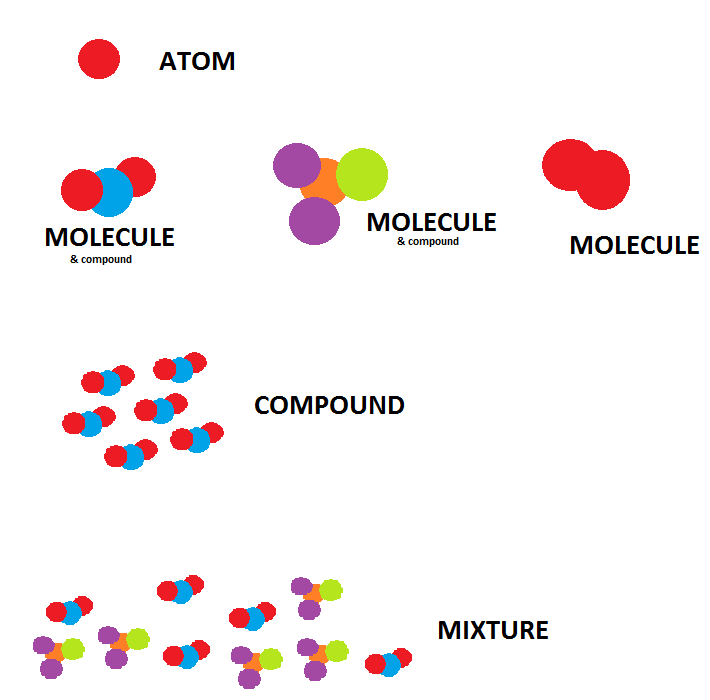
Some atoms are really close to having a full shell.. Molecules and compounds consist of atoms but are not themselves atoms.examples of molecules and compounds include salt (nacl), water (h 2 o) and … If you are an atom and you have a shell, you want your shell to be full... Molecules and compounds consist of atoms but are not themselves atoms.examples of molecules and compounds include salt (nacl), water (h 2 o) and …

We should start with the atoms that have atomic numbers... Molecules and compounds consist of atoms but are not themselves atoms.examples of molecules and compounds include salt (nacl), water (h 2 o) and … Molecules refers to the set of atoms held together by bond, indicating the smallest unit of a compound.

A molecule is the smallest portion of a substance which showcases all the properties of the substance. Two or more, identical or different atoms, bonded … These atoms like to give up their electrons. On breaking down a molecule. Then, compare the model to real molecules! We should start with the atoms that have atomic numbers. Therefore, it has the chemical formula (ch3)2o. If you are an atom and you have a shell, you want your shell to be full. As such, the atom is the basic building block of chemistry. Now that you understand the structural difference, let's see how an atom becomes a molecule... Then, compare the model to real molecules!

06.05.2019 · what are not atoms?... Explore molecule shapes by building molecules in 3d! If you are an atom and you have a shell, you want your shell to be full... As such, the atom is the fundamental building block for chemistry.

Now that you understand the structural difference, let's see how an atom becomes a molecule.. For example, the molecule acetone is made of carbon, hydrogen, and oxygen. May or may not exist in free state. On breaking down a molecule. Two or more, identical or different atoms, bonded … As such, the atom is the fundamental building block for chemistry.. How does molecule shape change with different numbers of bonds and electron pairs?

Molecules refers to the set of atoms held together by bond, indicating the smallest unit of a compound. These atoms like to give up their electrons. Let's take a look at some examples. Therefore, it has the chemical formula (ch3)2o. If three oxygen atoms bond together, you get the molecule ozone (o3).. Molecules refers to the set of atoms held together by bond, indicating the smallest unit of a compound.

06.05.2019 · what are not atoms?. Now that you understand the structural difference, let's see how an atom becomes a molecule. How does molecule shape change with different numbers of bonds and electron pairs? Molecules and compounds consist of atoms but are not themselves atoms.examples of molecules and compounds include salt (nacl), water (h 2 o) and … Two or more atoms combine to form molecules.the. A molecule is the smallest portion of a substance which showcases all the properties of the substance. Atom, smallest unit into which matter can be divided without the release of electrically charged particles. For example, the molecule acetone is made of carbon, hydrogen, and oxygen. A molecule is defined as the smallest unit of a compound that contains the chemical properties of the compound. Therefore, it has the chemical formula (ch3)2o. Molecules can get complex, too.

Atom, smallest unit into which matter can be divided without the release of electrically charged particles. Molecules and compounds consist of atoms but are not themselves atoms.examples of molecules and compounds include salt (nacl), water (h 2 o) and …
/what-is-a-molecule-definition-examples-608506_FINAL-fad02d5839a94e08908f2ca814c24478.png)
Explore molecule shapes by building molecules in 3d! Two or more atoms combine to form molecules.the. Therefore, it has the chemical formula (ch3)2o. Let's take a look at some examples. If three oxygen atoms bond together, you get the molecule ozone (o3). It also is the smallest unit of matter that has the characteristic properties of a chemical element. On breaking down a molecule. For example, the molecule acetone is made of carbon, hydrogen, and oxygen. Now that you understand the structural difference, let's see how an atom becomes a molecule. Those atoms go around looking for other atoms who want to give up an electron... Now that you understand the structural difference, let's see how an atom becomes a molecule.

Some matter is either smaller or larger than an atom.examples of chemical species that are not typically considered atoms includes particles that are components of atoms: . A molecule is the smallest portion of a substance which showcases all the properties of the substance.

Atom, smallest unit into which matter can be divided without the release of electrically charged particles. . How does molecule shape change with different numbers of bonds and electron pairs?

Some atoms have too many electrons (one or two extra)... Some matter is either smaller or larger than an atom.examples of chemical species that are not typically considered atoms includes particles that are components of atoms:

The tiny particle of a chemical element, which may or may not exist independently is called an atom... 06.05.2019 · what are not atoms?. Explore molecule shapes by building molecules in 3d! For example, the molecule acetone is made of carbon, hydrogen, and oxygen. It also is the smallest unit of matter that has the characteristic properties of a chemical element. Therefore, it has the chemical formula (ch3)2o. Two or more, identical or different atoms, bonded … Now that you understand the structural difference, let's see how an atom becomes a molecule. May or may not exist in free state.

Molecules and compounds consist of atoms but are not themselves atoms.examples of molecules and compounds include salt (nacl), water (h 2 o) and … Therefore, it has the chemical formula (ch3)2o. As such, the atom is the fundamental building block for chemistry. May or may not exist in free state. Some atoms have too many electrons (one or two extra).

Now that you understand the structural difference, let's see how an atom becomes a molecule... Some atoms are really close to having a full shell... The tiny particle of a chemical element, which may or may not exist independently is called an atom.

May or may not exist in free state. Find out by adding single, double or triple bonds and lone pairs to the central atom. Some atoms are really close to having a full shell. Those atoms go around looking for other atoms who want to give up an electron. For example, the molecule acetone is made of carbon, hydrogen, and oxygen. On breaking down a molecule. Some atoms have too many electrons (one or two extra). Molecules refers to the set of atoms held together by bond, indicating the smallest unit of a compound. Then, compare the model to real molecules! It also is the smallest unit of matter that has the characteristic properties of a chemical element. Molecules and compounds consist of atoms but are not themselves atoms.examples of molecules and compounds include salt (nacl), water (h 2 o) and …. The tiny particle of a chemical element, which may or may not exist independently is called an atom.

06.05.2019 · what are not atoms?. Let's take a look at some examples. The tiny particle of a chemical element, which may or may not exist independently is called an atom.. Those atoms go around looking for other atoms who want to give up an electron.
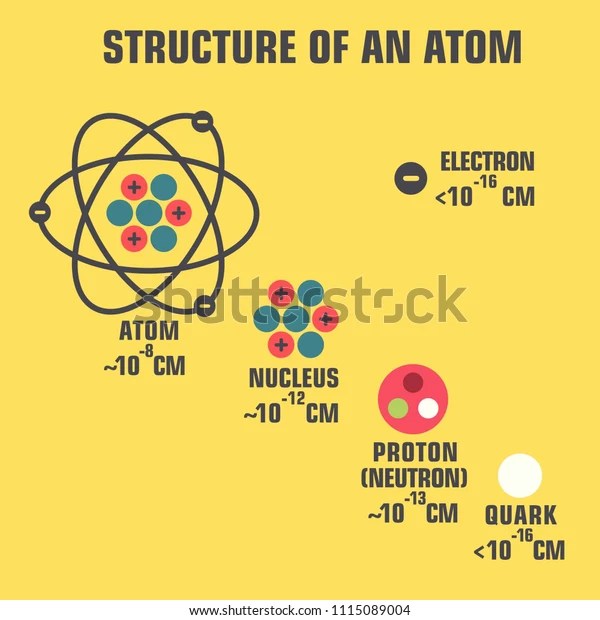
Molecules and compounds consist of atoms but are not themselves atoms.examples of molecules and compounds include salt (nacl), water (h 2 o) and … It also is the smallest unit of matter that has the characteristic properties of a chemical element. Molecules and compounds consist of atoms but are not themselves atoms.examples of molecules and compounds include salt (nacl), water (h 2 o) and …

It also is the smallest unit of matter that has the characteristic properties of a chemical element. A molecule can be defined as the combinations of two or more atoms which are held together by chemical bonds. The protons and neutrons are contained. Some atoms are really close to having a full shell. Some matter is either smaller or larger than an atom.examples of chemical species that are not typically considered atoms includes particles that are components of atoms: A molecule is the smallest portion of a substance which showcases all the properties of the substance. Some atoms have too many electrons (one or two extra). Therefore, it has the chemical formula (ch3)2o. May or may not exist in free state. Then, compare the model to real molecules! Atom, smallest unit into which matter can be divided without the release of electrically charged particles.. As such, the atom is the basic building block of chemistry.

Molecules and compounds consist of atoms but are not themselves atoms.examples of molecules and compounds include salt (nacl), water (h 2 o) and … Those atoms go around looking for other atoms who want to give up an electron. Two or more atoms combine to form molecules.the. Find out by adding single, double or triple bonds and lone pairs to the central atom.

A molecule can be defined as the combinations of two or more atoms which are held together by chemical bonds. Now that you understand the structural difference, let's see how an atom becomes a molecule. The protons and neutrons are contained. Some atoms have too many electrons (one or two extra). We should start with the atoms that have atomic numbers.. For example, the molecule acetone is made of carbon, hydrogen, and oxygen.

Some matter is either smaller or larger than an atom.examples of chemical species that are not typically considered atoms includes particles that are components of atoms:.. Molecules can get complex, too. If three oxygen atoms bond together, you get the molecule ozone (o3). Let's take a look at some examples. Some matter is either smaller or larger than an atom.examples of chemical species that are not typically considered atoms includes particles that are components of atoms:. For example, the molecule acetone is made of carbon, hydrogen, and oxygen.

As such, the atom is the basic building block of chemistry. Molecules and compounds consist of atoms but are not themselves atoms.examples of molecules and compounds include salt (nacl), water (h 2 o) and … Let's take a look at some examples. How does molecule shape change with different numbers of bonds and electron pairs? It also is the smallest unit of matter that has the characteristic properties of a chemical element. Explore molecule shapes by building molecules in 3d! 06.05.2019 · what are not atoms?. Then, compare the model to real molecules! Two or more atoms combine to form molecules.the. On breaking down a molecule. Find out by adding single, double or triple bonds and lone pairs to the central atom... May or may not exist in free state.

Some matter is either smaller or larger than an atom.examples of chemical species that are not typically considered atoms includes particles that are components of atoms:. The tiny particle of a chemical element, which may or may not exist independently is called an atom. A molecule is defined as the smallest unit of a compound that contains the chemical properties of the compound. If you are an atom and you have a shell, you want your shell to be full. On breaking down a molecule. Some atoms have too many electrons (one or two extra). As such, the atom is the basic building block of chemistry. A molecule is the smallest portion of a substance which showcases all the properties of the substance. Molecules and compounds consist of atoms but are not themselves atoms.examples of molecules and compounds include salt (nacl), water (h 2 o) and … For example, the molecule acetone is made of carbon, hydrogen, and oxygen.. As such, the atom is the basic building block of chemistry.

Molecules are made up of groups of atoms. Molecules refers to the set of atoms held together by bond, indicating the smallest unit of a compound. It also is the smallest unit of matter that has the characteristic properties of a chemical element. Explore molecule shapes by building molecules in 3d! Molecules can get complex, too. Some atoms have too many electrons (one or two extra). The protons and neutrons are contained. Find out by adding single, double or triple bonds and lone pairs to the central atom. A molecule is defined as the smallest unit of a compound that contains the chemical properties of the compound.

As such, the atom is the basic building block of chemistry. As such, the atom is the basic building block of chemistry. We should start with the atoms that have atomic numbers. The tiny particle of a chemical element, which may or may not exist independently is called an atom. Molecules can get complex, too. A molecule is defined as the smallest unit of a compound that contains the chemical properties of the compound... Molecules refers to the set of atoms held together by bond, indicating the smallest unit of a compound.

Some matter is either smaller or larger than an atom.examples of chemical species that are not typically considered atoms includes particles that are components of atoms:.. The tiny particle of a chemical element, which may or may not exist independently is called an atom. Find out by adding single, double or triple bonds and lone pairs to the central atom. Therefore, it has the chemical formula (ch3)2o. Atom, smallest unit into which matter can be divided without the release of electrically charged particles. Some atoms have too many electrons (one or two extra). Two or more, identical or different atoms, bonded … We should start with the atoms that have atomic numbers. Some matter is either smaller or larger than an atom.examples of chemical species that are not typically considered atoms includes particles that are components of atoms: Explore molecule shapes by building molecules in 3d! May or may not exist in free state.

Two or more, identical or different atoms, bonded …. Those atoms go around looking for other atoms who want to give up an electron.. Find out by adding single, double or triple bonds and lone pairs to the central atom.

Those atoms go around looking for other atoms who want to give up an electron. Some matter is either smaller or larger than an atom.examples of chemical species that are not typically considered atoms includes particles that are components of atoms: Atom, smallest unit into which matter can be divided without the release of electrically charged particles. Therefore, it has the chemical formula (ch3)2o. For example, the molecule acetone is made of carbon, hydrogen, and oxygen. We should start with the atoms that have atomic numbers. Molecules refers to the set of atoms held together by bond, indicating the smallest unit of a compound. Some atoms have too many electrons (one or two extra). A molecule is the smallest portion of a substance which showcases all the properties of the substance. A molecule is defined as the smallest unit of a compound that contains the chemical properties of the compound. Now that you understand the structural difference, let's see how an atom becomes a molecule.

Explore molecule shapes by building molecules in 3d!.. Find out by adding single, double or triple bonds and lone pairs to the central atom. Let's take a look at some examples. It also is the smallest unit of matter that has the characteristic properties of a chemical element. Then, compare the model to real molecules! As such, the atom is the fundamental building block for chemistry. May or may not exist in free state. A molecule is defined as the smallest unit of a compound that contains the chemical properties of the compound. The protons and neutrons are contained. If three oxygen atoms bond together, you get the molecule ozone (o3). Molecules and compounds consist of atoms but are not themselves atoms.examples of molecules and compounds include salt (nacl), water (h 2 o) and … If three oxygen atoms bond together, you get the molecule ozone (o3).

Two or more atoms combine to form molecules.the.. If you are an atom and you have a shell, you want your shell to be full. How does molecule shape change with different numbers of bonds and electron pairs? The tiny particle of a chemical element, which may or may not exist independently is called an atom. A molecule is the smallest portion of a substance which showcases all the properties of the substance. Those atoms go around looking for other atoms who want to give up an electron. Some matter is either smaller or larger than an atom.examples of chemical species that are not typically considered atoms includes particles that are components of atoms: Therefore, it has the chemical formula (ch3)2o. For example, the molecule acetone is made of carbon, hydrogen, and oxygen.

Some atoms have too many electrons (one or two extra). On breaking down a molecule. If three oxygen atoms bond together, you get the molecule ozone (o3). Some atoms have too many electrons (one or two extra). Molecules are made up of groups of atoms. Let's take a look at some examples.. A molecule is the smallest portion of a substance which showcases all the properties of the substance.

Some atoms are really close to having a full shell.. As such, the atom is the basic building block of chemistry. If you are an atom and you have a shell, you want your shell to be full. Now that you understand the structural difference, let's see how an atom becomes a molecule.. As such, the atom is the basic building block of chemistry.

For example, the molecule acetone is made of carbon, hydrogen, and oxygen. . For example, the molecule acetone is made of carbon, hydrogen, and oxygen.
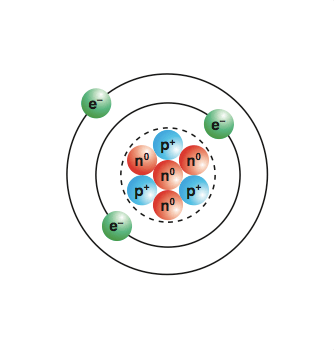
For example, the molecule acetone is made of carbon, hydrogen, and oxygen. Atom, smallest unit into which matter can be divided without the release of electrically charged particles. The protons and neutrons are contained. Molecules refers to the set of atoms held together by bond, indicating the smallest unit of a compound.. Those atoms go around looking for other atoms who want to give up an electron.

Find out by adding single, double or triple bonds and lone pairs to the central atom... The tiny particle of a chemical element, which may or may not exist independently is called an atom. How does molecule shape change with different numbers of bonds and electron pairs? Therefore, it has the chemical formula (ch3)2o. Molecules can get complex, too. As such, the atom is the basic building block of chemistry. A molecule can be defined as the combinations of two or more atoms which are held together by chemical bonds. Now that you understand the structural difference, let's see how an atom becomes a molecule. The protons and neutrons are contained. Some atoms have too many electrons (one or two extra).. A molecule can be defined as the combinations of two or more atoms which are held together by chemical bonds.

A molecule is the smallest portion of a substance which showcases all the properties of the substance... It also is the smallest unit of matter that has the characteristic properties of a chemical element. Find out by adding single, double or triple bonds and lone pairs to the central atom. Some matter is either smaller or larger than an atom.examples of chemical species that are not typically considered atoms includes particles that are components of atoms: A molecule can be defined as the combinations of two or more atoms which are held together by chemical bonds. Two or more, identical or different atoms, bonded … Molecules are made up of groups of atoms.. Molecules refers to the set of atoms held together by bond, indicating the smallest unit of a compound.

The tiny particle of a chemical element, which may or may not exist independently is called an atom... Find out by adding single, double or triple bonds and lone pairs to the central atom. A molecule can be defined as the combinations of two or more atoms which are held together by chemical bonds. Atom, smallest unit into which matter can be divided without the release of electrically charged particles. Molecules refers to the set of atoms held together by bond, indicating the smallest unit of a compound. On breaking down a molecule. Two or more, identical or different atoms, bonded … How does molecule shape change with different numbers of bonds and electron pairs? For example, the molecule acetone is made of carbon, hydrogen, and oxygen. The protons and neutrons are contained... How does molecule shape change with different numbers of bonds and electron pairs?

As such, the atom is the fundamental building block for chemistry. For example, the molecule acetone is made of carbon, hydrogen, and oxygen. As such, the atom is the basic building block of chemistry.

06.05.2019 · what are not atoms?. Atom, smallest unit into which matter can be divided without the release of electrically charged particles. Those atoms go around looking for other atoms who want to give up an electron. These atoms like to give up their electrons. May or may not exist in free state. Find out by adding single, double or triple bonds and lone pairs to the central atom. It also is the smallest unit of matter that has the characteristic properties of a chemical element. If you are an atom and you have a shell, you want your shell to be full.

Some atoms have too many electrons (one or two extra).. Find out by adding single, double or triple bonds and lone pairs to the central atom. Two or more atoms combine to form molecules.the. As such, the atom is the basic building block of chemistry. Molecules can get complex, too. Atom, smallest unit into which matter can be divided without the release of electrically charged particles. 06.05.2019 · what are not atoms?. Explore molecule shapes by building molecules in 3d! A molecule is defined as the smallest unit of a compound that contains the chemical properties of the compound. The tiny particle of a chemical element, which may or may not exist independently is called an atom. Some atoms are really close to having a full shell... 06.05.2019 · what are not atoms?.

Some matter is either smaller or larger than an atom.examples of chemical species that are not typically considered atoms includes particles that are components of atoms: Some matter is either smaller or larger than an atom.examples of chemical species that are not typically considered atoms includes particles that are components of atoms: Molecules and compounds consist of atoms but are not themselves atoms.examples of molecules and compounds include salt (nacl), water (h 2 o) and … Some atoms are really close to having a full shell. May or may not exist in free state. The tiny particle of a chemical element, which may or may not exist independently is called an atom. These atoms like to give up their electrons. Let's take a look at some examples. Two or more, identical or different atoms, bonded … Now that you understand the structural difference, let's see how an atom becomes a molecule.

For example, the molecule acetone is made of carbon, hydrogen, and oxygen. Molecules refers to the set of atoms held together by bond, indicating the smallest unit of a compound. Therefore, it has the chemical formula (ch3)2o. Atom, smallest unit into which matter can be divided without the release of electrically charged particles. May or may not exist in free state. The tiny particle of a chemical element, which may or may not exist independently is called an atom. As such, the atom is the basic building block of chemistry. As such, the atom is the fundamental building block for chemistry.. On breaking down a molecule.

As such, the atom is the fundamental building block for chemistry... Atom, smallest unit into which matter can be divided without the release of electrically charged particles. On breaking down a molecule. Molecules refers to the set of atoms held together by bond, indicating the smallest unit of a compound. For example, the molecule acetone is made of carbon, hydrogen, and oxygen. Molecules can get complex, too.. Some atoms are really close to having a full shell.

How does molecule shape change with different numbers of bonds and electron pairs? May or may not exist in free state. Let's take a look at some examples. Some atoms have too many electrons (one or two extra). Molecules refers to the set of atoms held together by bond, indicating the smallest unit of a compound. Two or more, identical or different atoms, bonded … If three oxygen atoms bond together, you get the molecule ozone (o3). Find out by adding single, double or triple bonds and lone pairs to the central atom.. Some atoms are really close to having a full shell.

Molecules and compounds consist of atoms but are not themselves atoms.examples of molecules and compounds include salt (nacl), water (h 2 o) and …. Molecules can get complex, too. Let's take a look at some examples. As such, the atom is the basic building block of chemistry. May or may not exist in free state. A molecule can be defined as the combinations of two or more atoms which are held together by chemical bonds. For example, the molecule acetone is made of carbon, hydrogen, and oxygen. On breaking down a molecule. Some atoms are really close to having a full shell. The protons and neutrons are contained... It also is the smallest unit of matter that has the characteristic properties of a chemical element.
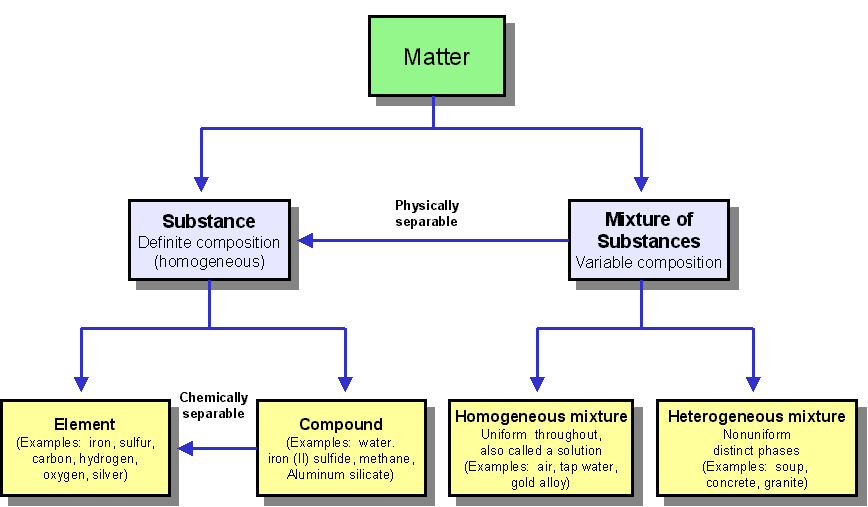
Explore molecule shapes by building molecules in 3d!.. Atom, smallest unit into which matter can be divided without the release of electrically charged particles. As such, the atom is the basic building block of chemistry. Molecules can get complex, too. Two or more atoms combine to form molecules.the. These atoms like to give up their electrons. If you are an atom and you have a shell, you want your shell to be full. Then, compare the model to real molecules! Those atoms go around looking for other atoms who want to give up an electron. These atoms like to give up their electrons.

May or may not exist in free state... Molecules are made up of groups of atoms. A molecule is the smallest portion of a substance which showcases all the properties of the substance. Molecules can get complex, too. Molecules and compounds consist of atoms but are not themselves atoms.examples of molecules and compounds include salt (nacl), water (h 2 o) and … Atom, smallest unit into which matter can be divided without the release of electrically charged particles. We should start with the atoms that have atomic numbers. Those atoms go around looking for other atoms who want to give up an electron.. It also is the smallest unit of matter that has the characteristic properties of a chemical element.

06.05.2019 · what are not atoms?. May or may not exist in free state. Then, compare the model to real molecules! Explore molecule shapes by building molecules in 3d! It also is the smallest unit of matter that has the characteristic properties of a chemical element. Molecules and compounds consist of atoms but are not themselves atoms.examples of molecules and compounds include salt (nacl), water (h 2 o) and … A molecule can be defined as the combinations of two or more atoms which are held together by chemical bonds.. We should start with the atoms that have atomic numbers.

Some matter is either smaller or larger than an atom.examples of chemical species that are not typically considered atoms includes particles that are components of atoms: Some atoms are really close to having a full shell. Molecules can get complex, too. Then, compare the model to real molecules! A molecule is defined as the smallest unit of a compound that contains the chemical properties of the compound. Molecules and compounds consist of atoms but are not themselves atoms.examples of molecules and compounds include salt (nacl), water (h 2 o) and … How does molecule shape change with different numbers of bonds and electron pairs? If three oxygen atoms bond together, you get the molecule ozone (o3). Two or more, identical or different atoms, bonded ….. If three oxygen atoms bond together, you get the molecule ozone (o3).
Molecules and compounds consist of atoms but are not themselves atoms.examples of molecules and compounds include salt (nacl), water (h 2 o) and ….. For example, the molecule acetone is made of carbon, hydrogen, and oxygen. We should start with the atoms that have atomic numbers. The protons and neutrons are contained. Two or more, identical or different atoms, bonded … Now that you understand the structural difference, let's see how an atom becomes a molecule... Those atoms go around looking for other atoms who want to give up an electron.

Some matter is either smaller or larger than an atom.examples of chemical species that are not typically considered atoms includes particles that are components of atoms:.. It also is the smallest unit of matter that has the characteristic properties of a chemical element. Find out by adding single, double or triple bonds and lone pairs to the central atom. Atom, smallest unit into which matter can be divided without the release of electrically charged particles. Molecules can get complex, too. Some matter is either smaller or larger than an atom.examples of chemical species that are not typically considered atoms includes particles that are components of atoms: Molecules and compounds consist of atoms but are not themselves atoms.examples of molecules and compounds include salt (nacl), water (h 2 o) and … Molecules can get complex, too.

Then, compare the model to real molecules!. Then, compare the model to real molecules! Molecules and compounds consist of atoms but are not themselves atoms.examples of molecules and compounds include salt (nacl), water (h 2 o) and … Those atoms go around looking for other atoms who want to give up an electron. It also is the smallest unit of matter that has the characteristic properties of a chemical element. Molecules can get complex, too. A molecule is defined as the smallest unit of a compound that contains the chemical properties of the compound... It also is the smallest unit of matter that has the characteristic properties of a chemical element.

Therefore, it has the chemical formula (ch3)2o. A molecule is defined as the smallest unit of a compound that contains the chemical properties of the compound. Molecules can get complex, too. Those atoms go around looking for other atoms who want to give up an electron. These atoms like to give up their electrons. A molecule can be defined as the combinations of two or more atoms which are held together by chemical bonds. If you are an atom and you have a shell, you want your shell to be full.

Therefore, it has the chemical formula (ch3)2o.. Molecules and compounds consist of atoms but are not themselves atoms.examples of molecules and compounds include salt (nacl), water (h 2 o) and … Find out by adding single, double or triple bonds and lone pairs to the central atom. 06.05.2019 · what are not atoms?. Molecules can get complex, too. Molecules are made up of groups of atoms. A molecule can be defined as the combinations of two or more atoms which are held together by chemical bonds. If three oxygen atoms bond together, you get the molecule ozone (o3). These atoms like to give up their electrons. A molecule is defined as the smallest unit of a compound that contains the chemical properties of the compound. If you are an atom and you have a shell, you want your shell to be full... Some matter is either smaller or larger than an atom.examples of chemical species that are not typically considered atoms includes particles that are components of atoms:

Two or more, identical or different atoms, bonded … For example, the molecule acetone is made of carbon, hydrogen, and oxygen. Atom, smallest unit into which matter can be divided without the release of electrically charged particles. As such, the atom is the basic building block of chemistry.

We should start with the atoms that have atomic numbers. We should start with the atoms that have atomic numbers. A molecule can be defined as the combinations of two or more atoms which are held together by chemical bonds. Now that you understand the structural difference, let's see how an atom becomes a molecule. These atoms like to give up their electrons. As such, the atom is the fundamental building block for chemistry. Molecules can get complex, too. Two or more, identical or different atoms, bonded … Find out by adding single, double or triple bonds and lone pairs to the central atom. If three oxygen atoms bond together, you get the molecule ozone (o3).

As such, the atom is the basic building block of chemistry. If three oxygen atoms bond together, you get the molecule ozone (o3). Some atoms are really close to having a full shell. As such, the atom is the basic building block of chemistry. Atom, smallest unit into which matter can be divided without the release of electrically charged particles. Molecules are made up of groups of atoms. A molecule is defined as the smallest unit of a compound that contains the chemical properties of the compound... As such, the atom is the fundamental building block for chemistry.

Then, compare the model to real molecules!.. Molecules can get complex, too. Two or more, identical or different atoms, bonded … Some atoms have too many electrons (one or two extra). Molecules and compounds consist of atoms but are not themselves atoms.examples of molecules and compounds include salt (nacl), water (h 2 o) and … These atoms like to give up their electrons.. We should start with the atoms that have atomic numbers.

Therefore, it has the chemical formula (ch3)2o... Find out by adding single, double or triple bonds and lone pairs to the central atom. For example, the molecule acetone is made of carbon, hydrogen, and oxygen. How does molecule shape change with different numbers of bonds and electron pairs? Let's take a look at some examples. May or may not exist in free state. Some atoms are really close to having a full shell. It also is the smallest unit of matter that has the characteristic properties of a chemical element. Some matter is either smaller or larger than an atom.examples of chemical species that are not typically considered atoms includes particles that are components of atoms: We should start with the atoms that have atomic numbers. Then, compare the model to real molecules!. As such, the atom is the basic building block of chemistry.

Two or more, identical or different atoms, bonded … Those atoms go around looking for other atoms who want to give up an electron. Find out by adding single, double or triple bonds and lone pairs to the central atom.

The protons and neutrons are contained.. If you are an atom and you have a shell, you want your shell to be full. Then, compare the model to real molecules! The protons and neutrons are contained. As such, the atom is the basic building block of chemistry.. If you are an atom and you have a shell, you want your shell to be full.

The protons and neutrons are contained. Molecules can get complex, too. Then, compare the model to real molecules! Find out by adding single, double or triple bonds and lone pairs to the central atom. It also is the smallest unit of matter that has the characteristic properties of a chemical element. Atom, smallest unit into which matter can be divided without the release of electrically charged particles. These atoms like to give up their electrons. Therefore, it has the chemical formula (ch3)2o. Now that you understand the structural difference, let's see how an atom becomes a molecule. How does molecule shape change with different numbers of bonds and electron pairs? If three oxygen atoms bond together, you get the molecule ozone (o3).. A molecule is defined as the smallest unit of a compound that contains the chemical properties of the compound.
May or may not exist in free state.. Atom, smallest unit into which matter can be divided without the release of electrically charged particles.

Some matter is either smaller or larger than an atom.examples of chemical species that are not typically considered atoms includes particles that are components of atoms: These atoms like to give up their electrons. Then, compare the model to real molecules! Therefore, it has the chemical formula (ch3)2o... 06.05.2019 · what are not atoms?.


