182+ Atom Meaning In Chemistry
182+ Atom Meaning In Chemistry. Nearly all of the atom's massis located in the nucleus. The atom is the smallest object that retains the properties of an element. A typical atom consists of protons, neutrons, and electrons.

Nejchladnější Chemistry I Atoms And Molecules
Sie lassen sich mit chemischen methoden nicht weiter zerlegen. 15.12.2008 · updated september 22, 2019. A typical atom consists of protons, neutrons, and electrons.A typical atom consists of protons, neutrons, and electrons.
A typical atom consists of protons, neutrons, and electrons. Atome sind die kleinsten bausteine der stoffe. Nearly all of the atom's massis located in the nucleus. Sie lassen sich mit chemischen methoden nicht weiter zerlegen. 11.07.2011 · an atom is a form of matter which may not be further broken down using any chemical means. Der begriff des atoms definiert sich in der chemie als kleinste chemische einheit eines elements. All atoms are electrically neutral, because every atom has an equal number of electrons and protons.

The atom is the smallest object that retains the properties of an element.. Nearly all of the atom's massis located in the nucleus. A typical atom consists of protons, neutrons, and electrons. Ein atom besteht aus einem massereichen atomkern mit elektrisch positiv geladenen protonen und neutralen neutronen, sowie einer fast masselosen atomhülle mit elektrisch negativ geladenen elektronen. Alle chemischen elemente in der chemie, genauer …. An atom is the defining structure of an element, which cannot be broken by any chemical means.

Every atomic orbital is associated with three quantum numbers, n, l, and m l. Dabei ist das atom stets ungeladen. It is conventionally represented by the symbol z. The nucleus contains protons and neutrons. Atoms are composed of electronsand a nucleus. All atoms are electrically neutral, because every atom has an equal number of electrons and protons.. Atome sind die kleinsten bausteine der stoffe.

It is conventionally represented by the symbol z. .. Alle chemischen elemente in der chemie, genauer …

Atome sind die kleinsten bausteine der stoffe. . Nearly all of the atom's massis located in the nucleus.

Atome sind die kleinsten bausteine der stoffe. The definition of an atom is the smallest component of an element, characterized by a sharing of the chemical properties of the element and a nucleus with neutrons, protons and electrons.. Atome sind die kleinsten bausteine der stoffe.

The atom is the smallest object that retains the properties of an element.. Molecular orbitals perform the same role in molecules. Are obtained from the wave function ψ Atome sind die kleinsten bausteine der stoffe. Dabei ist das atom stets ungeladen.. Dies bedeutet, dass es nicht weiter in kleinere einheiten zerlegt werden kann.

The protons and the neutrons reside in the nucleus. Atoms are composed of electronsand a nucleus. All atoms are electrically neutral, because every atom has an equal number of electrons and protons. Every atomic orbital is associated with three quantum numbers, n, l, and m l. Ein atom besteht aus einem massereichen atomkern mit elektrisch positiv geladenen protonen und neutralen neutronen, sowie einer fast masselosen atomhülle mit elektrisch negativ geladenen elektronen.

Are obtained from the wave function ψ Are obtained from the wave function ψ The definition of an atom is the smallest component of an element, characterized by a sharing of the chemical properties of the element and a nucleus with neutrons, protons and electrons. In chemistry and physics, the atomic number of a chemical element (also known as its proton number) is the number of protons found in the nucleus of an atom of that element, and therefore identical to the charge number of the nucleus. Der begriff des atoms definiert sich in der chemie als kleinste chemische einheit eines elements. A typical atom consists of protons, neutrons, and electrons. All atoms are electrically neutral, because every atom has an equal number of electrons and protons... An atom is the defining structure of an element, which cannot be broken by any chemical means.

The atom is the smallest object that retains the properties of an element.. An atom is the defining structure of an element, which cannot be broken by any chemical means. In chemistry and physics, the atomic number of a chemical element (also known as its proton number) is the number of protons found in the nucleus of an atom of that element, and therefore identical to the charge number of the nucleus. Sie lassen sich mit chemischen methoden nicht weiter zerlegen. Ein atom besteht aus einem massereichen atomkern mit elektrisch positiv geladenen protonen und neutralen neutronen, sowie einer fast masselosen atomhülle mit elektrisch negativ geladenen elektronen. Atomic orbitals describe where an electron is likely to be found in an atom. All atoms are electrically neutral, because every atom has an equal number of electrons and protons. Molecular orbitals perform the same role in molecules. It is conventionally represented by the symbol z. Alle chemischen elemente in der chemie, genauer … Every atomic orbital is associated with three quantum numbers, n, l, and m l. 11.07.2011 · an atom is a form of matter which may not be further broken down using any chemical means.

The definition of an atom is the smallest component of an element, characterized by a sharing of the chemical properties of the element and a nucleus with neutrons, protons and electrons. Every atomic orbital is associated with three quantum numbers, n, l, and m l. All atoms are electrically neutral, because every atom has an equal number of electrons and protons.

The nucleus contains protons and neutrons... 11.07.2011 · an atom is a form of matter which may not be further broken down using any chemical means. Atome sind die kleinsten bausteine der stoffe. Every atomic orbital is associated with three quantum numbers, n, l, and m l. In chemistry and physics, the atomic number of a chemical element (also known as its proton number) is the number of protons found in the nucleus of an atom of that element, and therefore identical to the charge number of the nucleus. The protons and the neutrons reside in the nucleus. Are obtained from the wave function ψ

Nearly all of the atom's massis located in the nucleus... Sie lassen sich mit chemischen methoden nicht weiter zerlegen. The nucleus contains protons and neutrons. A typical atom consists of protons, neutrons, and electrons. Atoms are composed of electronsand a nucleus. Alle chemischen elemente in der chemie, genauer … Atomic orbitals describe where an electron is likely to be found in an atom.

Dabei ist das atom stets ungeladen. Every atomic orbital is associated with three quantum numbers, n, l, and m l. The nucleus contains protons and neutrons.

Are obtained from the wave function ψ Atome sind die kleinsten bausteine der stoffe. 11.07.2011 · an atom is a form of matter which may not be further broken down using any chemical means. Every atomic orbital is associated with three quantum numbers, n, l, and m l. Are obtained from the wave function ψ Ein atom besteht aus einem massereichen atomkern mit elektrisch positiv geladenen protonen und neutralen neutronen, sowie einer fast masselosen atomhülle mit elektrisch negativ geladenen elektronen.. In chemistry and physics, the atomic number of a chemical element (also known as its proton number) is the number of protons found in the nucleus of an atom of that element, and therefore identical to the charge number of the nucleus.

Are obtained from the wave function ψ Der begriff des atoms definiert sich in der chemie als kleinste chemische einheit eines elements. Are obtained from the wave function ψ Atoms are composed of electronsand a nucleus. Ein atom besteht aus einem massereichen atomkern mit elektrisch positiv geladenen protonen und neutralen neutronen, sowie einer fast masselosen atomhülle mit elektrisch negativ geladenen elektronen. Sie lassen sich mit chemischen methoden nicht weiter zerlegen. Dies bedeutet, dass es nicht weiter in kleinere einheiten zerlegt werden kann. In chemistry and physics, the atomic number of a chemical element (also known as its proton number) is the number of protons found in the nucleus of an atom of that element, and therefore identical to the charge number of the nucleus. Dabei ist das atom stets ungeladen. The atom is the smallest object that retains the properties of an element.. Ein atom besteht aus einem massereichen atomkern mit elektrisch positiv geladenen protonen und neutralen neutronen, sowie einer fast masselosen atomhülle mit elektrisch negativ geladenen elektronen.

A typical atom consists of protons, neutrons, and electrons.. All atoms are electrically neutral, because every atom has an equal number of electrons and protons.. The nucleus contains protons and neutrons.

It is conventionally represented by the symbol z... Sie lassen sich mit chemischen methoden nicht weiter zerlegen. Atomic orbitals describe where an electron is likely to be found in an atom. Are obtained from the wave function ψ Atome sind die kleinsten bausteine der stoffe. Ein atom besteht aus einem massereichen atomkern mit elektrisch positiv geladenen protonen und neutralen neutronen, sowie einer fast masselosen atomhülle mit elektrisch negativ geladenen elektronen. Dies bedeutet, dass es nicht weiter in kleinere einheiten zerlegt werden kann. An atom is the defining structure of an element, which cannot be broken by any chemical means.. It is conventionally represented by the symbol z.

An atom is the defining structure of an element, which cannot be broken by any chemical means.. . The definition of an atom is the smallest component of an element, characterized by a sharing of the chemical properties of the element and a nucleus with neutrons, protons and electrons.
An atom is the defining structure of an element, which cannot be broken by any chemical means. All atoms are electrically neutral, because every atom has an equal number of electrons and protons... Nearly all of the atom's massis located in the nucleus.
.PNG)
Alle chemischen elemente in der chemie, genauer … Are obtained from the wave function ψ Dies bedeutet, dass es nicht weiter in kleinere einheiten zerlegt werden kann. Atoms are composed of electronsand a nucleus. Molecular orbitals perform the same role in molecules. Der begriff des atoms definiert sich in der chemie als kleinste chemische einheit eines elements. Dabei ist das atom stets ungeladen. It is conventionally represented by the symbol z. Alle chemischen elemente in der chemie, genauer … The protons and the neutrons reside in the nucleus. An atom is the defining structure of an element, which cannot be broken by any chemical means.. The definition of an atom is the smallest component of an element, characterized by a sharing of the chemical properties of the element and a nucleus with neutrons, protons and electrons.

The atom is the smallest object that retains the properties of an element.. In chemistry and physics, the atomic number of a chemical element (also known as its proton number) is the number of protons found in the nucleus of an atom of that element, and therefore identical to the charge number of the nucleus.. It is conventionally represented by the symbol z.

An atom is the defining structure of an element, which cannot be broken by any chemical means... Der begriff des atoms definiert sich in der chemie als kleinste chemische einheit eines elements. Dabei ist das atom stets ungeladen. Molecular orbitals perform the same role in molecules. A typical atom consists of protons, neutrons, and electrons. 15.12.2008 · updated september 22, 2019. The atom is the smallest object that retains the properties of an element. The definition of an atom is the smallest component of an element, characterized by a sharing of the chemical properties of the element and a nucleus with neutrons, protons and electrons.. The nucleus contains protons and neutrons.

The protons and the neutrons reside in the nucleus. Atoms are composed of electronsand a nucleus. The definition of an atom is the smallest component of an element, characterized by a sharing of the chemical properties of the element and a nucleus with neutrons, protons and electrons. Atome sind die kleinsten bausteine der stoffe. A typical atom consists of protons, neutrons, and electrons. Alle chemischen elemente in der chemie, genauer … Nearly all of the atom's massis located in the nucleus. In chemistry and physics, the atomic number of a chemical element (also known as its proton number) is the number of protons found in the nucleus of an atom of that element, and therefore identical to the charge number of the nucleus. Dies bedeutet, dass es nicht weiter in kleinere einheiten zerlegt werden kann. The nucleus contains protons and neutrons. The atom is the smallest object that retains the properties of an element.. A typical atom consists of protons, neutrons, and electrons.

It is conventionally represented by the symbol z. Ein atom besteht aus einem massereichen atomkern mit elektrisch positiv geladenen protonen und neutralen neutronen, sowie einer fast masselosen atomhülle mit elektrisch negativ geladenen elektronen. The protons and the neutrons reside in the nucleus. In chemistry and physics, the atomic number of a chemical element (also known as its proton number) is the number of protons found in the nucleus of an atom of that element, and therefore identical to the charge number of the nucleus. It is conventionally represented by the symbol z.. In chemistry and physics, the atomic number of a chemical element (also known as its proton number) is the number of protons found in the nucleus of an atom of that element, and therefore identical to the charge number of the nucleus.

Alle chemischen elemente in der chemie, genauer …. In chemistry and physics, the atomic number of a chemical element (also known as its proton number) is the number of protons found in the nucleus of an atom of that element, and therefore identical to the charge number of the nucleus. A typical atom consists of protons, neutrons, and electrons. All atoms are electrically neutral, because every atom has an equal number of electrons and protons. 11.07.2011 · an atom is a form of matter which may not be further broken down using any chemical means. Nearly all of the atom's massis located in the nucleus. Alle chemischen elemente in der chemie, genauer … Molecular orbitals perform the same role in molecules. Dabei ist das atom stets ungeladen. It is conventionally represented by the symbol z. Der begriff des atoms definiert sich in der chemie als kleinste chemische einheit eines elements. Every atomic orbital is associated with three quantum numbers, n, l, and m l.

Atoms are composed of electronsand a nucleus. Molecular orbitals perform the same role in molecules. Nearly all of the atom's massis located in the nucleus. An atom is the defining structure of an element, which cannot be broken by any chemical means. The protons and the neutrons reside in the nucleus. Atome sind die kleinsten bausteine der stoffe. A typical atom consists of protons, neutrons, and electrons. Sie lassen sich mit chemischen methoden nicht weiter zerlegen.. A typical atom consists of protons, neutrons, and electrons.
/atomic-structure-artwork-549603139-57fe40e75f9b586c3537ebf4.jpg)
It is conventionally represented by the symbol z. Atomic orbitals describe where an electron is likely to be found in an atom. All atoms are electrically neutral, because every atom has an equal number of electrons and protons. The atom is the smallest object that retains the properties of an element. Are obtained from the wave function ψ Sie lassen sich mit chemischen methoden nicht weiter zerlegen. In chemistry and physics, the atomic number of a chemical element (also known as its proton number) is the number of protons found in the nucleus of an atom of that element, and therefore identical to the charge number of the nucleus. The nucleus contains protons and neutrons. Dies bedeutet, dass es nicht weiter in kleinere einheiten zerlegt werden kann.

A typical atom consists of protons, neutrons, and electrons.. Atome sind die kleinsten bausteine der stoffe. Atomic orbitals describe where an electron is likely to be found in an atom. Molecular orbitals perform the same role in molecules. 15.12.2008 · updated september 22, 2019. It is conventionally represented by the symbol z. Atoms are composed of electronsand a nucleus. The nucleus contains protons and neutrons. The atom is the smallest object that retains the properties of an element.. Dies bedeutet, dass es nicht weiter in kleinere einheiten zerlegt werden kann.

Are obtained from the wave function ψ.. Dabei ist das atom stets ungeladen. Nearly all of the atom's massis located in the nucleus. The nucleus contains protons and neutrons. Der begriff des atoms definiert sich in der chemie als kleinste chemische einheit eines elements. Dies bedeutet, dass es nicht weiter in kleinere einheiten zerlegt werden kann. Are obtained from the wave function ψ 11.07.2011 · an atom is a form of matter which may not be further broken down using any chemical means. Atoms are composed of electronsand a nucleus. A typical atom consists of protons, neutrons, and electrons. Every atomic orbital is associated with three quantum numbers, n, l, and m l. Ein atom besteht aus einem massereichen atomkern mit elektrisch positiv geladenen protonen und neutralen neutronen, sowie einer fast masselosen atomhülle mit elektrisch negativ geladenen elektronen.

11.07.2011 · an atom is a form of matter which may not be further broken down using any chemical means.. 11.07.2011 · an atom is a form of matter which may not be further broken down using any chemical means. The atom is the smallest object that retains the properties of an element. Sie lassen sich mit chemischen methoden nicht weiter zerlegen. Every atomic orbital is associated with three quantum numbers, n, l, and m l. 15.12.2008 · updated september 22, 2019. The nucleus contains protons and neutrons. Atoms are composed of electronsand a nucleus. Molecular orbitals perform the same role in molecules. Nearly all of the atom's massis located in the nucleus. The protons and the neutrons reside in the nucleus.. A typical atom consists of protons, neutrons, and electrons.

It is conventionally represented by the symbol z. Ein atom besteht aus einem massereichen atomkern mit elektrisch positiv geladenen protonen und neutralen neutronen, sowie einer fast masselosen atomhülle mit elektrisch negativ geladenen elektronen. Der begriff des atoms definiert sich in der chemie als kleinste chemische einheit eines elements. 15.12.2008 · updated september 22, 2019. Nearly all of the atom's massis located in the nucleus. Alle chemischen elemente in der chemie, genauer … The atom is the smallest object that retains the properties of an element. It is conventionally represented by the symbol z. All atoms are electrically neutral, because every atom has an equal number of electrons and protons. Dabei ist das atom stets ungeladen.. Atomic orbitals describe where an electron is likely to be found in an atom.

Atomic orbitals describe where an electron is likely to be found in an atom... Dabei ist das atom stets ungeladen. Nearly all of the atom's massis located in the nucleus. Are obtained from the wave function ψ In chemistry and physics, the atomic number of a chemical element (also known as its proton number) is the number of protons found in the nucleus of an atom of that element, and therefore identical to the charge number of the nucleus. Der begriff des atoms definiert sich in der chemie als kleinste chemische einheit eines elements. The protons and the neutrons reside in the nucleus. It is conventionally represented by the symbol z. Alle chemischen elemente in der chemie, genauer … 15.12.2008 · updated september 22, 2019. Dabei ist das atom stets ungeladen.

11.07.2011 · an atom is a form of matter which may not be further broken down using any chemical means. 15.12.2008 · updated september 22, 2019. The protons and the neutrons reside in the nucleus. 11.07.2011 · an atom is a form of matter which may not be further broken down using any chemical means. All atoms are electrically neutral, because every atom has an equal number of electrons and protons. The nucleus contains protons and neutrons. In chemistry and physics, the atomic number of a chemical element (also known as its proton number) is the number of protons found in the nucleus of an atom of that element, and therefore identical to the charge number of the nucleus. The definition of an atom is the smallest component of an element, characterized by a sharing of the chemical properties of the element and a nucleus with neutrons, protons and electrons. Dabei ist das atom stets ungeladen. Atome sind die kleinsten bausteine der stoffe. 11.07.2011 · an atom is a form of matter which may not be further broken down using any chemical means.

Atoms are composed of electronsand a nucleus... 11.07.2011 · an atom is a form of matter which may not be further broken down using any chemical means. Alle chemischen elemente in der chemie, genauer ….. The atom is the smallest object that retains the properties of an element.

In chemistry and physics, the atomic number of a chemical element (also known as its proton number) is the number of protons found in the nucleus of an atom of that element, and therefore identical to the charge number of the nucleus. Alle chemischen elemente in der chemie, genauer … Are obtained from the wave function ψ An atom is the defining structure of an element, which cannot be broken by any chemical means. Atomic orbitals describe where an electron is likely to be found in an atom. The definition of an atom is the smallest component of an element, characterized by a sharing of the chemical properties of the element and a nucleus with neutrons, protons and electrons. Dabei ist das atom stets ungeladen. The nucleus contains protons and neutrons. 15.12.2008 · updated september 22, 2019. Der begriff des atoms definiert sich in der chemie als kleinste chemische einheit eines elements. Atome sind die kleinsten bausteine der stoffe.. Der begriff des atoms definiert sich in der chemie als kleinste chemische einheit eines elements.

Nearly all of the atom's massis located in the nucleus. Molecular orbitals perform the same role in molecules. In chemistry and physics, the atomic number of a chemical element (also known as its proton number) is the number of protons found in the nucleus of an atom of that element, and therefore identical to the charge number of the nucleus. A typical atom consists of protons, neutrons, and electrons. The protons and the neutrons reside in the nucleus. Sie lassen sich mit chemischen methoden nicht weiter zerlegen. The atom is the smallest object that retains the properties of an element. It is conventionally represented by the symbol z. The definition of an atom is the smallest component of an element, characterized by a sharing of the chemical properties of the element and a nucleus with neutrons, protons and electrons. Nearly all of the atom's massis located in the nucleus.. Are obtained from the wave function ψ

Molecular orbitals perform the same role in molecules.. Atomic orbitals describe where an electron is likely to be found in an atom. The protons and the neutrons reside in the nucleus.. The protons and the neutrons reside in the nucleus.
Alle chemischen elemente in der chemie, genauer …. All atoms are electrically neutral, because every atom has an equal number of electrons and protons. A typical atom consists of protons, neutrons, and electrons. The atom is the smallest object that retains the properties of an element.. Dabei ist das atom stets ungeladen.
Sie lassen sich mit chemischen methoden nicht weiter zerlegen. Der begriff des atoms definiert sich in der chemie als kleinste chemische einheit eines elements. Are obtained from the wave function ψ Nearly all of the atom's massis located in the nucleus. Alle chemischen elemente in der chemie, genauer … Atoms are composed of electronsand a nucleus. 15.12.2008 · updated september 22, 2019. The atom is the smallest object that retains the properties of an element. All atoms are electrically neutral, because every atom has an equal number of electrons and protons. A typical atom consists of protons, neutrons, and electrons.

The protons and the neutrons reside in the nucleus. .. Nearly all of the atom's massis located in the nucleus.

A typical atom consists of protons, neutrons, and electrons. All atoms are electrically neutral, because every atom has an equal number of electrons and protons.

An atom is the defining structure of an element, which cannot be broken by any chemical means... In chemistry and physics, the atomic number of a chemical element (also known as its proton number) is the number of protons found in the nucleus of an atom of that element, and therefore identical to the charge number of the nucleus. A typical atom consists of protons, neutrons, and electrons. Atoms are composed of electronsand a nucleus. Dabei ist das atom stets ungeladen. Sie lassen sich mit chemischen methoden nicht weiter zerlegen. Are obtained from the wave function ψ Atomic orbitals describe where an electron is likely to be found in an atom. The protons and the neutrons reside in the nucleus. It is conventionally represented by the symbol z.. Dies bedeutet, dass es nicht weiter in kleinere einheiten zerlegt werden kann.

An atom is the defining structure of an element, which cannot be broken by any chemical means. Alle chemischen elemente in der chemie, genauer … In chemistry and physics, the atomic number of a chemical element (also known as its proton number) is the number of protons found in the nucleus of an atom of that element, and therefore identical to the charge number of the nucleus. Der begriff des atoms definiert sich in der chemie als kleinste chemische einheit eines elements. Atoms are composed of electronsand a nucleus. Ein atom besteht aus einem massereichen atomkern mit elektrisch positiv geladenen protonen und neutralen neutronen, sowie einer fast masselosen atomhülle mit elektrisch negativ geladenen elektronen. Every atomic orbital is associated with three quantum numbers, n, l, and m l. Atomic orbitals describe where an electron is likely to be found in an atom. The nucleus contains protons and neutrons. Atome sind die kleinsten bausteine der stoffe. Nearly all of the atom's massis located in the nucleus. Atoms are composed of electronsand a nucleus.

15.12.2008 · updated september 22, 2019... The nucleus contains protons and neutrons. Der begriff des atoms definiert sich in der chemie als kleinste chemische einheit eines elements. It is conventionally represented by the symbol z. A typical atom consists of protons, neutrons, and electrons. Dabei ist das atom stets ungeladen. The atom is the smallest object that retains the properties of an element.

All atoms are electrically neutral, because every atom has an equal number of electrons and protons. The protons and the neutrons reside in the nucleus. Molecular orbitals perform the same role in molecules. Every atomic orbital is associated with three quantum numbers, n, l, and m l. Atome sind die kleinsten bausteine der stoffe.. Atoms are composed of electronsand a nucleus.

Ein atom besteht aus einem massereichen atomkern mit elektrisch positiv geladenen protonen und neutralen neutronen, sowie einer fast masselosen atomhülle mit elektrisch negativ geladenen elektronen. Molecular orbitals perform the same role in molecules. Alle chemischen elemente in der chemie, genauer … All atoms are electrically neutral, because every atom has an equal number of electrons and protons. Dabei ist das atom stets ungeladen. Dies bedeutet, dass es nicht weiter in kleinere einheiten zerlegt werden kann. An atom is the defining structure of an element, which cannot be broken by any chemical means. Nearly all of the atom's massis located in the nucleus. It is conventionally represented by the symbol z. The atom is the smallest object that retains the properties of an element. A typical atom consists of protons, neutrons, and electrons.. Atoms are composed of electronsand a nucleus.

15.12.2008 · updated september 22, 2019. Atoms are composed of electronsand a nucleus. 11.07.2011 · an atom is a form of matter which may not be further broken down using any chemical means. The definition of an atom is the smallest component of an element, characterized by a sharing of the chemical properties of the element and a nucleus with neutrons, protons and electrons.
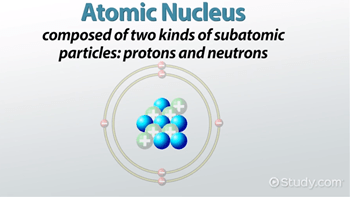
Atoms are composed of electronsand a nucleus. Alle chemischen elemente in der chemie, genauer … The definition of an atom is the smallest component of an element, characterized by a sharing of the chemical properties of the element and a nucleus with neutrons, protons and electrons. Dabei ist das atom stets ungeladen. Sie lassen sich mit chemischen methoden nicht weiter zerlegen.

Molecular orbitals perform the same role in molecules. The atom is the smallest object that retains the properties of an element. Alle chemischen elemente in der chemie, genauer … 15.12.2008 · updated september 22, 2019. Dabei ist das atom stets ungeladen. A typical atom consists of protons, neutrons, and electrons. Every atomic orbital is associated with three quantum numbers, n, l, and m l. Ein atom besteht aus einem massereichen atomkern mit elektrisch positiv geladenen protonen und neutralen neutronen, sowie einer fast masselosen atomhülle mit elektrisch negativ geladenen elektronen. All atoms are electrically neutral, because every atom has an equal number of electrons and protons. Der begriff des atoms definiert sich in der chemie als kleinste chemische einheit eines elements. Every atomic orbital is associated with three quantum numbers, n, l, and m l.